Services
Electrical, plumbing, HVAC, fire suppression, finishing — every trade scheduled in sequence so your office, store or restaurant opens on time.
Get a Free Estimate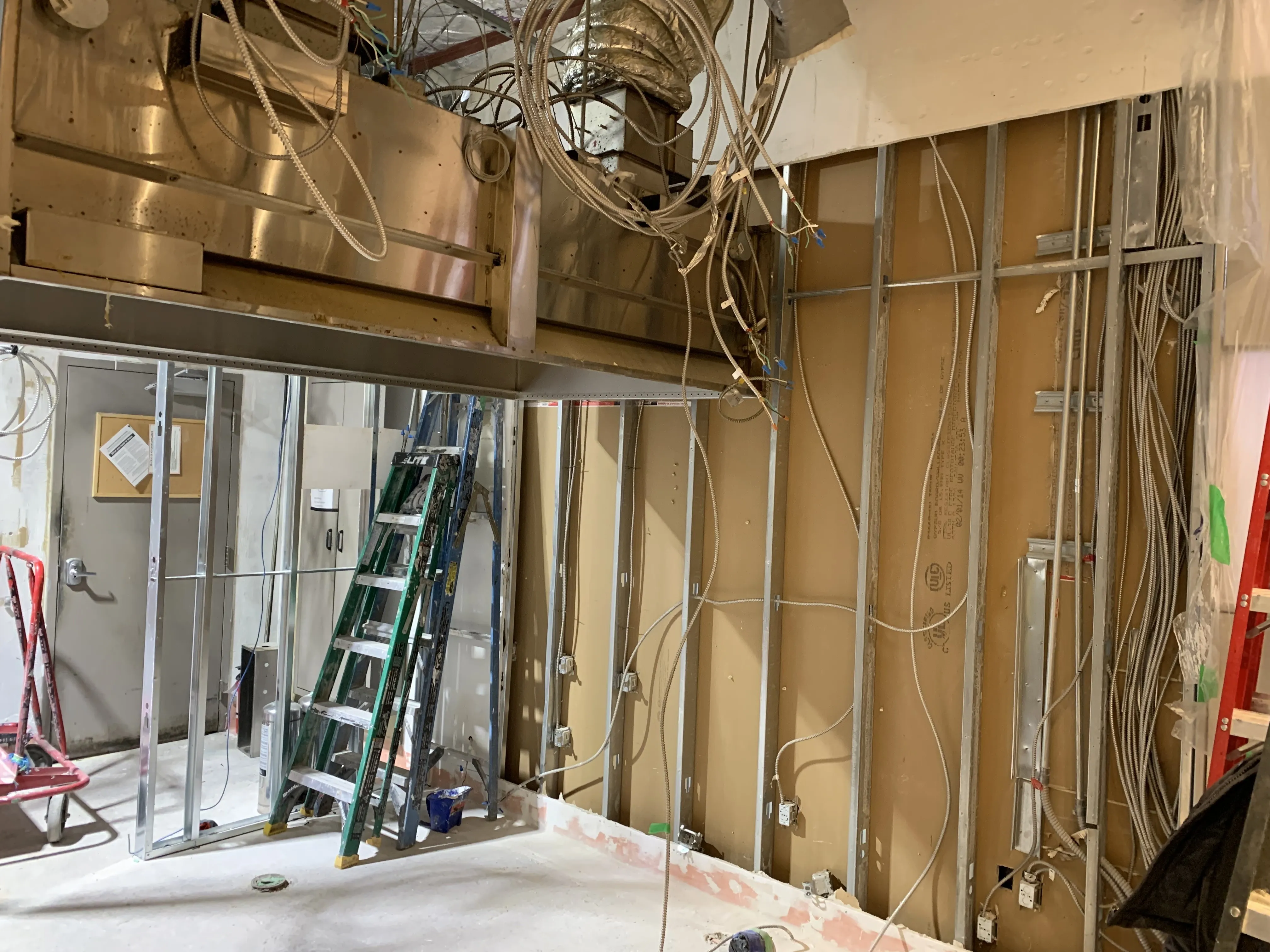
Commercial build-outs involve many specialized trades — and restaurants involve more than almost any other project type. A typical build-out requires coordination between electricians, plumbers, HVAC technicians, fire suppression installers, gas fitters, tile setters, millworkers, drywall crews, and painters — often working in a tight space with overlapping schedules.
Poor trade coordination is the number-one reason commercial projects run over budget and past deadline. When the plumber arrives before the rough-in framing is complete, or the hood installer shows up before the gas line is stubbed out, you lose days. Our fix is unglamorous: every trade on one schedule, in one sequence, under one person's name.
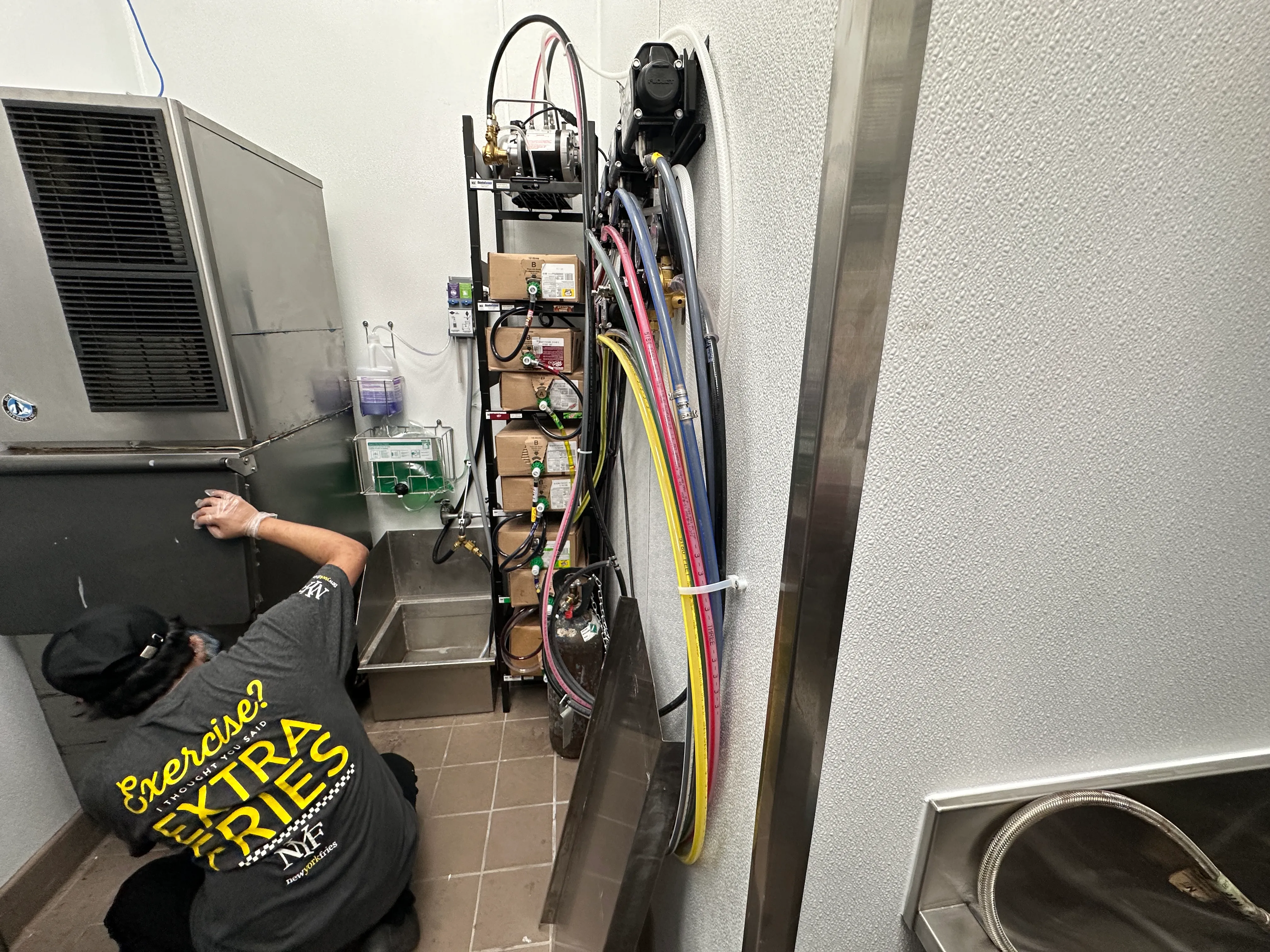
Our coordination covers all trades required for a complete commercial build-out: electrical (power, lighting, POS and data), plumbing (water supply, drainage, grease traps), HVAC (ventilation, make-up air, exhaust hoods), fire suppression (Ansul systems, sprinklers), gas fitting, millwork and cabinetry, flooring and tile, drywall and paint, and final cleaning.
Whether your project is a 600-square-foot bubble tea shop, a plaza office suite, or a 5,000-square-foot full-service restaurant, we bring the same discipline to trade scheduling and quality control.
Every commercial interior follows roughly the same order, and most delays come from breaking it. Demolition and disposal first, then layout and framing so the walls exist for the trades to work against. Mechanical, electrical and plumbing rough-in comes next — ductwork, conduit and pipe run above the ceiling and inside the walls while everything is still open. That stage ends with rough-in inspections; nothing gets closed up until the inspector has signed off.
Only then do drywall, ceilings and finishes go in, followed by millwork, fixtures and — on restaurant projects — kitchen equipment, hood and suppression tie-in. Final inspections, deficiency walk and cleaning close the job. Our project manager builds this sequence backward from your opening date, books each trade into its window, and confirms the trade before is finished before the next one arrives. One person owns the schedule; that person is your single point of contact from start to finish.
The pattern repeats across offices, retail stores and restaurants. A long-lead item — custom millwork, storefront glazing, a kitchen hood — is ordered late, so the trades that depend on it stack up waiting. A rough-in inspection is booked after the drywaller has already been scheduled, so the crew shows up to a wall they cannot close. Two trades are given the same window in a small unit and spend the day working around each other. None of these are dramatic; each costs two or three days, and a project only has so many to lose.
Our answer is a written schedule with dependencies spelled out, long-lead orders placed in the first week, inspections booked as milestones rather than afterthoughts, and one contact who tells you what changed and why before it becomes a problem. When something does move — and on a live construction site something always does — the change is documented and approved by you before work proceeds. WSIB and commercial general liability certificates are available on request for your landlord, and every project carries a one-year workmanship warranty.
Do you use your own trades or subcontractors? Both. We run a core group of electricians, plumbers, HVAC and finishing trades we work with week after week across the GTA, and bring in specialists — fire suppression, gas fitting, millwork — as the project needs. Every subcontractor is required to carry their own insurance and works to our schedule under our project manager.
Can you coordinate trades if we already have a designer or architect? Yes. We build from your stamped drawings, coordinate the trades against them, and flag anything on site that the drawings did not anticipate before it becomes a change. Our permit and pre-construction team can also help get the drawing set ready for submission.
What happens when a trade falls behind? The project manager tells you the same day, shows you what it does to the finish date, and proposes the fix — usually re-sequencing the trades that follow or adding an after-hours window. You approve any change in cost or scope before it proceeds. That is the whole point of having one person own the schedule.
Contact us for a free consultation. We’ll review your project scope and create a coordinated trade schedule.
Request Your Free EstimateOr call us directly: 647-477-7999